A few students over the years have approached me with a calendar in one hand and a measuring stick in the other and silently or overtly asked, “When will I advance?” Few ask, “Where am I standing now?”
In the old ways, rank was not pursued—because it was not a destination. It was a shadow cast by the sun of practice. When the sun rose higher, the shadow lengthened or shortened on its own. To chase the shadow was to turn one’s back on the light.
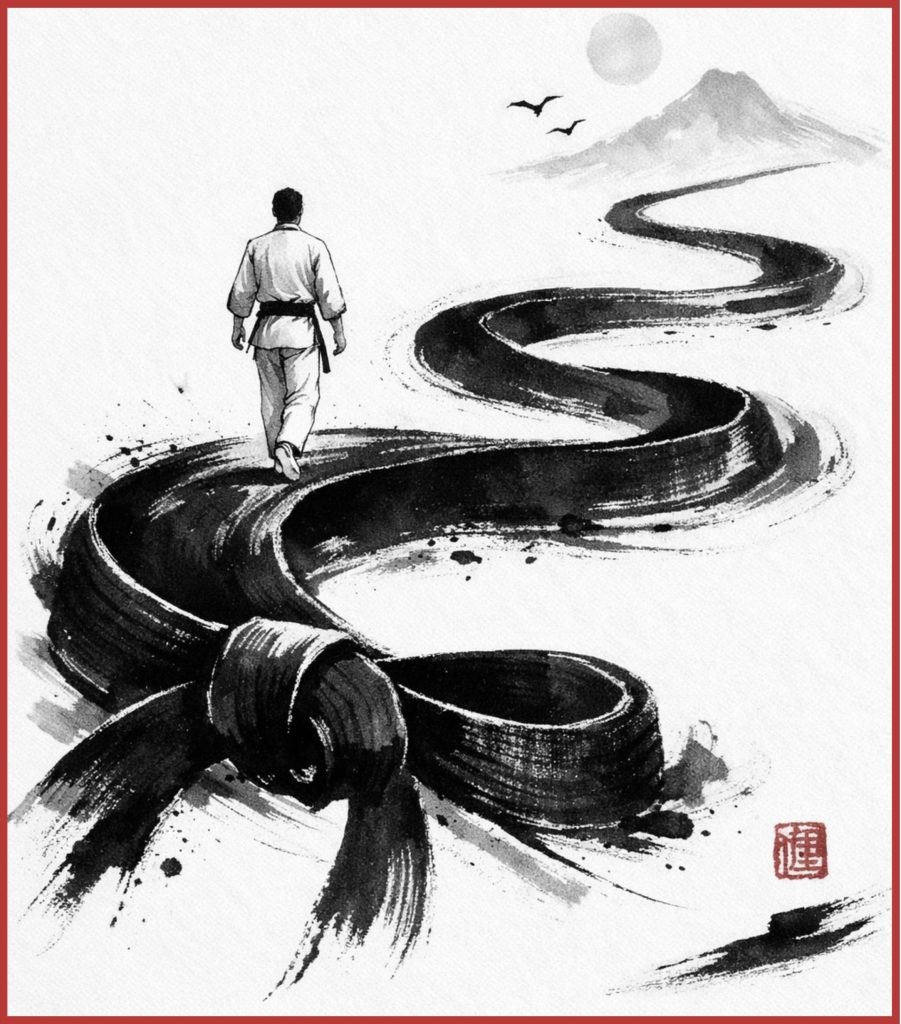
In Asia, to ask one’s teacher about or for promotion was considered discourteous not because ambition was sinful, but because the question itself revealed a misunderstanding. It implied that awakening could be scheduled, that depth could be audited, that wisdom could be tallied like profit and loss. The teacher was entrusted with seeing what the student could not yet see in himself. To doubt this was to doubt the path.
Many students arrive in the dojo carrying habits learned elsewhere. In business, advancement comes through milestones, reviews, negotiated expectations. These are not wrong tools—but they are blunt instruments in a subtle art. A spiritual martial system is not a ladder; it is a field. You do not climb it rung by rung. You cultivate it season by season, often without knowing which seed will sprout or when.
When a student repeatedly asks about rank, I do not hear impatience, but rather, fear. Fear that effort will go unnoticed. Fear that time will be wasted. Fear that one’s ego is not being served. Fear that without external confirmation, the inner work may not be real. This is very human. But it is also the sound of a cup already full.
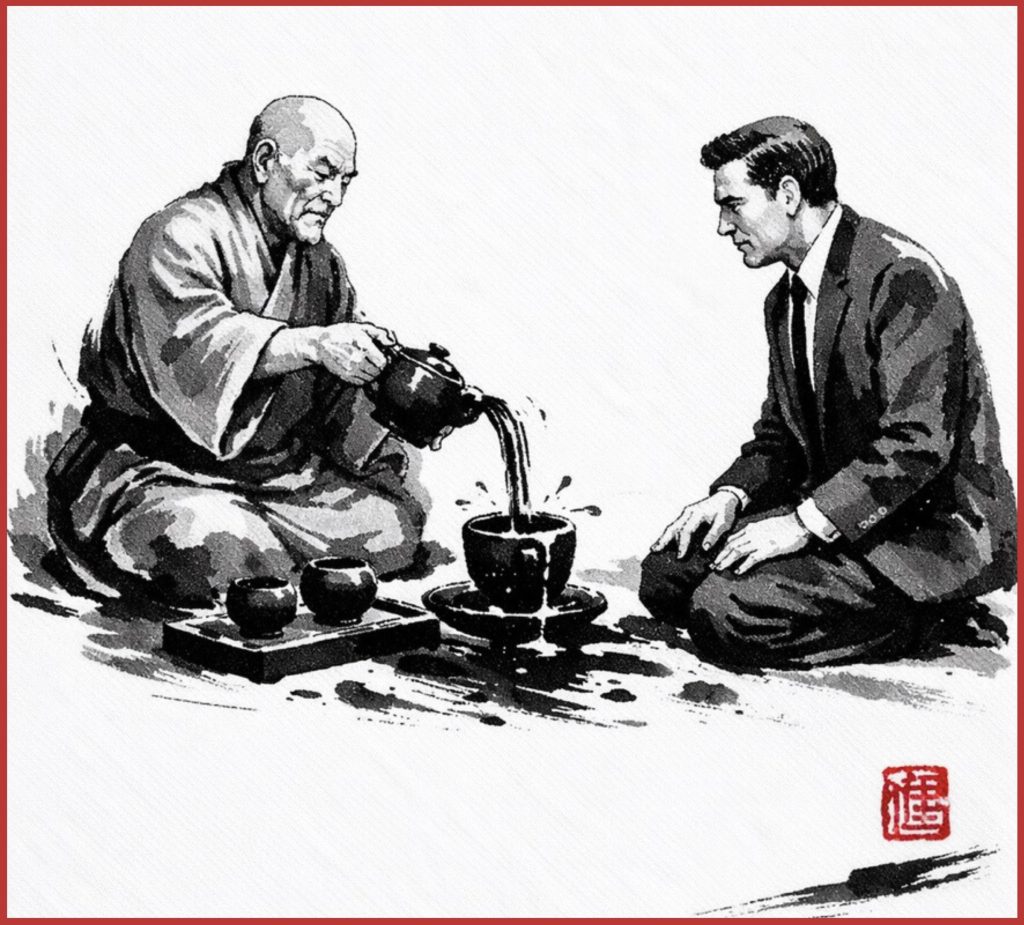
There is a notable story about the Zen master overfilling the academic’s tea cup. The student, brilliant and learned, pointed out the obvious spill. The master replied that until his cup was emptied, nothing new could be added. This story is not about ignorance versus knowledge; it is about control versus receptivity. The student wanted to possess understanding. The master invited him to be shaped by it. So it is with rank.
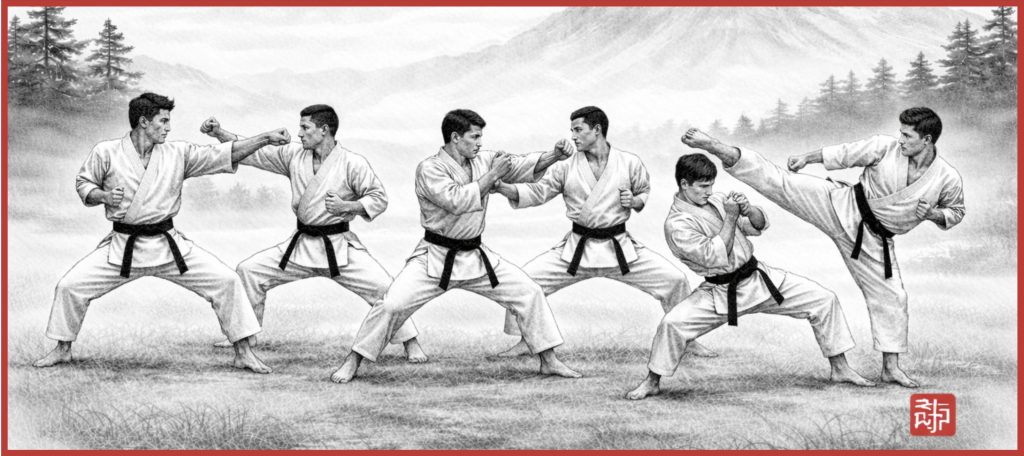
To train in a martial art is not merely to acquire techniques, but to allow oneself to be altered by practice. The body changes first. Then the breath. Then perception. Then intention. These changes cannot be rushed. They do not unfold evenly. There are long plateaus where nothing seems to happen, followed by quiet breakthroughs that no certificate can capture.
The student who demands timelines often does so unconsciously as a hedge: If I do not receive what I expect, I may leave. This is not a threat spoken aloud, but a contract written in the heart. Yet the deepest teachings reveal themselves only to those who stay after expectations have dissolved.
External recognition has its place. Rank can serve as encouragement, structure, and responsibility. But when it becomes the reason for practice, it poisons the well from which insight is drawn. You begin to train for approval, whether from self or others, rather than presence, for performance rather than sincerity. Your attention moves outward, while your art calls you inward.
Proper inquiry might begin like this:
“What must I refine in myself?”
“Where am I blind?”
“How can I serve the training more completely?”
These questions open the hand rather than clench the fist.
When the student is ready, advancement occurs naturally—not as a reward, but as a necessity. The form can no longer contain what the practitioner has become. At that point, rank is not something given; it is something acknowledged.
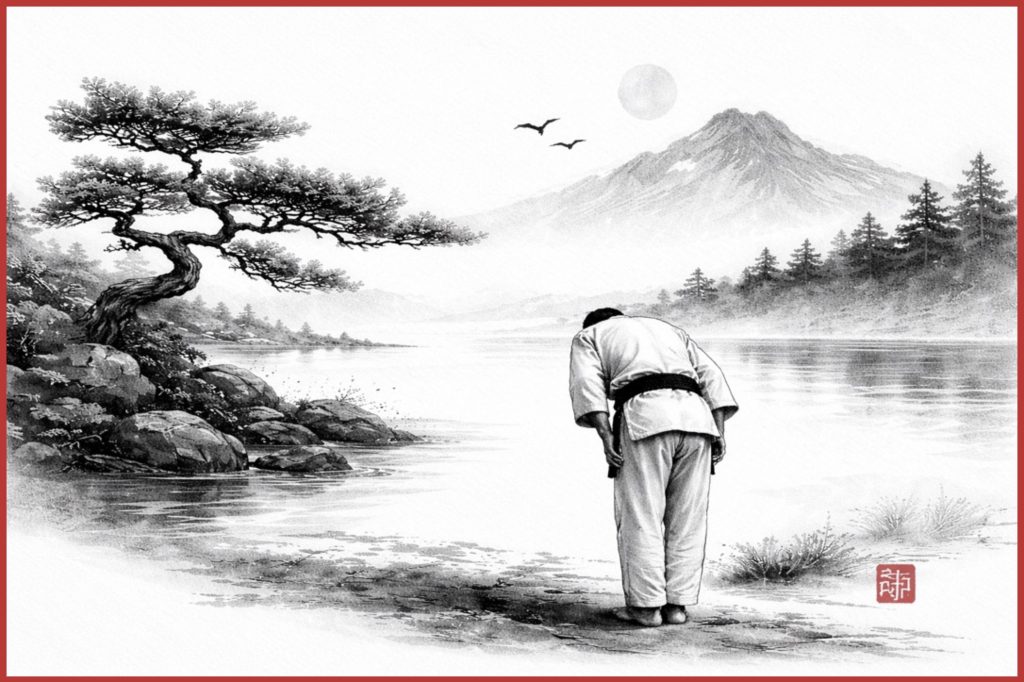
Until then, train. Bow. Empty your cup again tomorrow. The path does not ask how quickly you arrive, only how deeply you walk.